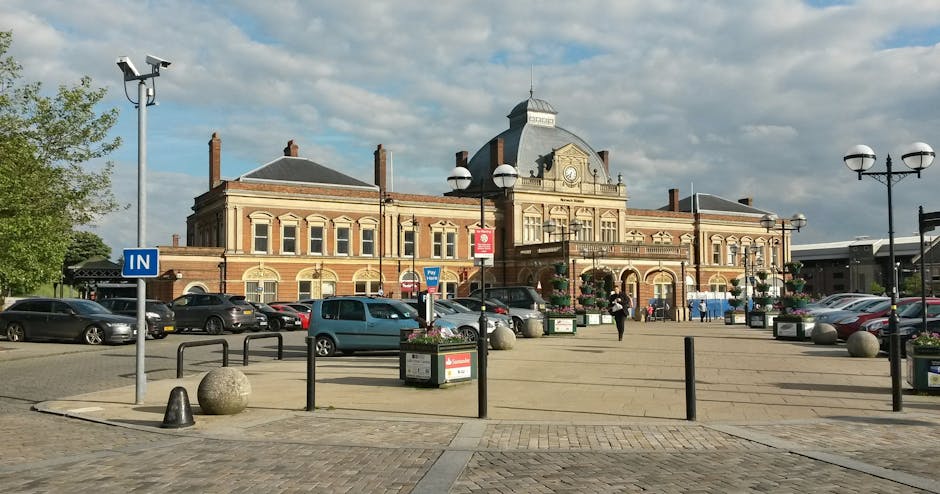
Crystal Palace station removals best pickup dropoff spots
If you are planning a move near Crystal Palace station, the first headache is often not the lifting. It is the stopping. Finding the right place to pause, load, or meet your removals team can save time, reduce stress, and keep the day from turning into a queue of small frustrations. That is exactly why Crystal Palace station removals best pickup dropoff spots matter so much: the right kerbside choice can make a busy move feel calm and organised, while the wrong one can lead to delays, awkward carrying distances, and a fair bit of muttering under your breath.
In this guide, we will walk through the most practical pickup and dropoff approaches around Crystal Palace station, how removals crews typically think about access, what makes a spot work well, and which mistakes to avoid. You will also find a step-by-step plan, compliance notes, a comparison table, and a realistic checklist you can use on moving day. No fluff. Just the sort of detail that helps when you are standing outside with boxes, a trolley, and a parking bay that suddenly looks smaller than you remember.
Why Crystal Palace station removals best pickup dropoff spots Matters
Crystal Palace station sits in a part of south London where road layout, foot traffic, and parking pressure can all affect a move. Around stations, you tend to get a mix of commuters, buses, cyclists, delivery vans, and people moving quickly because they are late. In that kind of environment, pickup and dropoff planning is not a side issue. It is part of the job.
The best spot is not always the one closest to the door. That sounds obvious, but in practice people often focus on distance alone. A spot that saves you 20 metres but forces the removal van to double-park, block access, or carry furniture through a narrow bottleneck can end up costing much more time than a slightly longer walk from a safer place.
For removals near Crystal Palace station, the goal is usually simple:
- keep loading safe and quick
- avoid blocking buses, residents, or businesses
- reduce handling distance for heavy items
- make it easy for the driver to pull away when finished
That last one gets overlooked all the time. If the van is trapped behind another vehicle or wedged into a poor stopping position, the whole schedule starts to wobble. And once the timings slip, everything else gets a bit more chaotic, especially if your move includes key handovers, building access windows, or a tight same-day plan.
Truth be told, a good pickup/dropoff plan around a station is really about respecting the local flow. You are working with the street, not against it.
How Crystal Palace station removals best pickup dropoff spots Works
The basic idea is straightforward: you identify the safest, most practical place for the removal vehicle to stop, then organise the move around that point. In the station area, the best pickup or dropoff spot is usually one that balances access, visibility, turning room, and short carrying distance.
In real terms, removals crews normally assess four things:
- Access to the property - stairs, ramps, gates, frontage width, and whether there is a direct path to the vehicle
- Stopping space - whether the vehicle can pause without causing a hazard or heavy obstruction
- Kerbside safety - traffic speed, pavement width, and whether opening doors or loading ramps would be awkward
- Operational flexibility - whether the driver can arrive, load, and leave without needing several shunts or a lengthy reverse manoeuvre
For homes and flats around Crystal Palace station, the best option is often a position with enough room to open rear doors fully and load in a direct line. If the area is busy, crews may use a brief dropoff point first, then reposition the vehicle once the team knows the layout. That little adjustment can make a huge difference.
If your move is small, something like a man and van setup can be ideal because it offers flexibility where access is tight. For larger or more complex moves, a bigger vehicle from the moving truck options may be more suitable, especially if there are several bulky items or a longer loading process.
Sometimes the best pickup or dropoff spot is not a single fixed point at all. It is a plan: a first stop for checking access, a second position for loading, and a clear route for leaving. A good removals team will think that way automatically. You should too.
Key Benefits and Practical Advantages
Choosing the right pickup and dropoff location around Crystal Palace station gives you benefits that are easy to feel on moving day. Some are obvious. Others only become obvious after the first box has been carried the wrong way in drizzle at 8:15 in the morning.
- Less carrying distance: heavy items spend less time in hands and on trolleys
- Faster loading: the team can work in a smoother rhythm with fewer pauses
- Lower damage risk: fewer awkward turns, doorways, or curb lifts
- Less disruption: you are less likely to annoy neighbours or block station-adjacent traffic
- Better timing: useful if you are working to a move-out deadline or a property handover slot
There is also a quieter benefit: reduced stress. When the van is well placed, everyone tends to settle. The driver knows what they are doing, the people carrying boxes do not need to keep rethinking the route, and you can focus on the actual move instead of the street outside.
If packing is still underway, services such as packing and unpacking services can help you get to the point where the loading plan is cleaner and less rushed. That, in turn, makes pickup and dropoff far easier. Same thing if you are decluttering first; a smaller load is usually easier to place and move. A bit obvious, yes, but still true.
For people comparing a simple household job with a larger move, the difference in access planning can be substantial. A small job may tolerate a short walk from the van. A full flat or family home move near the station often needs a more deliberate setup. The fewer surprises, the better.
Who This Is For and When It Makes Sense
This topic matters to more people than you might think. It is not just for big house moves. In practice, it helps anyone moving goods in or out of the Crystal Palace station area.
- Home movers who need a sensible loading point near a flat, maisonette, or terraced house
- Students or renters doing a smaller move with boxes, bags, and a few awkward items
- Office teams relocating equipment, chairs, files, or compact furniture
- Furniture buyers and sellers arranging collection or delivery of a sofa, bed, or wardrobe
- Last-minute movers who need a workable stop without long planning time
If you are moving from a tight-access property, this becomes even more important. We have all seen the kind of entrance that looks fine in daylight and then turns into a small puzzle when a sofa appears. In those cases, a local crew familiar with the area can be a real help, especially if the job involves awkward stairs, narrow hallways, or a loading point that changes depending on traffic.
For residential moves, you may want to look at home moves or, where the property layout is particularly awkward, house removalists. For business relocations around the station and nearby streets, office relocation services are the better fit, since the priorities are often different: speed, continuity, and protecting equipment.
And yes, sometimes the "best spot" is the one that lets the move happen without waking the whole street. That matters too.
Step-by-Step Guidance
If you want to make pickup and dropoff around Crystal Palace station as smooth as possible, follow a simple sequence. Nothing fancy. Just practical groundwork.
- Check the property entrance first. Measure doorways, look for stairwells, and note anything awkward such as tight corners, low ceilings, or steps at the kerb.
- Decide what type of vehicle you actually need. A smaller vehicle may fit more easily near the station, while a larger lorry can reduce trips if access is manageable.
- Identify a safe stopping area. Look for a place where the vehicle can stop without forcing pedestrians into traffic or blocking a junction.
- Plan the carry route. Choose the shortest practical path from the vehicle to the door, not just the visually shortest one. A route with fewer obstacles can be quicker even if it is slightly longer.
- Allow for loading order. Heavy furniture should be positioned so it comes out in a sensible sequence. Otherwise, you end up moving the same item twice. Annoying. Very annoying.
- Build in a buffer. Local traffic and parking conditions can change by the hour. A cushion of time reduces pressure if you need to reposition the vehicle.
- Confirm the plan with your movers. Let them know about access restrictions, lift delays, resident permits, or anything unusual before they arrive.
A small practical example: if you are moving a sofa from a flat near the station, the right plan may be to bring the van to a point that allows a straight carry out of the building, even if that means walking it a little farther to a legal stop. That tiny compromise often saves time overall. It also reduces the risk of scuffs on walls and door frames, which nobody wants on moving day.
If your move is urgent, it may be worth reading about urgent sameday removals in Crystal Palace so you know how same-day planning tends to work in practice. For moves where time pressure is part of the story, that context is very useful.
Expert Tips for Better Results
Here is where experience matters. A decent removals plan near Crystal Palace station is not only about where the van stops. It is about how the whole movement flows.
- Use the widest safe route, not the shortest-looking one. Narrow side paths can slow everything down, especially with beds, wardrobes, and fridges.
- Separate the first-load items from the last-load items. Keep essentials, fragile pieces, and items needed immediately apart from heavy furniture.
- Protect your flooring and thresholds. It sounds minor until you see a polished floor take a hit. Then it is suddenly not minor at all.
- Keep pedestrians in mind. Around a station, people move quickly and unpredictably. Make the loading zone obvious and controlled.
- Choose a lead person. One person should direct the van positioning and carrying order so nobody is making competing decisions.
There is also a packing angle here. Well-packed boxes are easier to stack, easier to carry, and easier to fit into a van without wasted space. If you want fewer last-minute gaps and fewer crushed corners, it helps to read how to save time and space while packing for a move. It is one of those practical pieces people wish they had read the night before, usually while taping the twelfth box shut.
For awkward items like sofas and beds, planning ahead pays off even more. These pieces are heavy, bulky, and oddly good at catching on bannisters. A useful read is what you need to know before moving your bed and mattress, especially if your route near the station includes stairs or a tight hallway.
One more tip: if the van needs to wait, make sure waiting does not become blocking. Sounds simple. Still worth saying.
Common Mistakes to Avoid
Most access problems around stations come from a small set of avoidable errors. They are not dramatic. They are just the sort of thing that turns a straightforward move into a mildly miserable one.
- Assuming the closest spot is the best spot. Not always. Sometimes the best stopping point is a little farther away but far safer and easier to work from.
- Ignoring narrow pavements or street clutter. A parked car, bin, or bike rack can change the usable loading route.
- Forgetting about time windows. If access changes by hour, your planned spot may not be available when the van arrives.
- Not telling the removals team about stairs or lifts. That can change vehicle choice and crew size.
- Leaving parking decisions until the last minute. It seems harmless right up until the driver has nowhere sensible to pull in.
Another common issue is underestimating bulky waste or leftover items. If your move-out involves things that are not going with you, you may want to think about disposal early. A useful companion read is avoid hidden fees when removing bulky waste in SE19. Nobody likes discovering an extra chore after the main move is already underway.
And if you are planning to leave a property in good shape, this guide on how to leave your home sparkling clean before you move out can help you avoid that frantic end-of-tenancy scramble. It is not glamorous. It is useful. That matters more.
Tools, Resources and Recommendations
You do not need a big toolkit to get pickup and dropoff right. You do need the right few basics, though.
- Measuring tape: useful for confirming doorway widths, furniture depths, and stair turns
- Phone photos: simple but effective for showing movers access points before they arrive
- Labels and marker pens: help keep loading order clear
- Furniture blankets and straps: protect items and improve handling
- Trolley or sack truck: especially helpful if the stop point is a little farther from the entrance
If you are comparing support options, the service mix matters. A smaller job may only need a straightforward vehicle and a couple of hands. Larger or more fragile loads may benefit from a more fully managed approach. The point is not to buy the biggest solution. The point is to pick the one that matches the actual access conditions.
For straightforward collections, furniture pick up can be a good fit. If you simply need a vehicle without overcomplicating things, man with van options are often more flexible for local station-area moves. For heavier or more frequent loads, removal truck hire can make more sense. Different jobs, different tools. Obvious, but still worth lining up properly.
If you want a fuller picture of the company behind these services, the about us page can help with background, while the contact us page is the natural next step if you need to check availability or ask about access near the station.
Law, Compliance, Standards, or Best Practice
When planning removals near a station, the safest approach is to follow local parking rules, keep pavements clear where possible, and avoid loading in a way that creates a hazard. Specific restrictions can vary by street, time of day, and local signage, so it is wise to check the situation in advance rather than assume a stop will be acceptable.
From a best-practice point of view, responsible removals work around three things:
- Public safety: vehicles should not force pedestrians into risky paths
- Property protection: walls, kerbs, railings, and doors should be protected during loading
- Access management: the vehicle should not block emergency routes, driveways, or essential access points
It also helps to respect waste and disposal expectations if your move generates unwanted items. Poorly handled waste can create avoidable costs and inconvenience. If you are clearing out a home before or after moving, this local guide on move-in waste rules, council recycling, and fines is useful background, even if your main focus is the move itself.
For station-area work, a good rule is simple: if a vehicle stop feels risky, cramped, or annoying to everyone else on the road, it probably needs rethinking. Best practice usually looks boring. That is fine. Boring is often what safe and efficient looks like.
Options, Methods, or Comparison Table
Different moves around Crystal Palace station call for different stopping and loading methods. Here is a simple comparison to help you decide.
| Method | Best for | Strengths | Trade-offs |
|---|---|---|---|
| Kerbside pickup/dropoff near the entrance | Smaller homes, quick collections, light loads | Fast, simple, minimal carrying distance | Can be difficult if traffic is busy or stopping space is limited |
| Short-walk loading point | Flats, narrow streets, awkward station-adjacent access | More flexible, often safer, less likely to block traffic | Extra carrying distance and a bit more time |
| Pre-planned van repositioning | Moves with mixed access conditions | Lets crews adapt to changing street conditions | Needs more coordination and clear communication |
| Dedicated truck loading | Larger furniture moves or fuller house removals | Efficient for bigger volumes, fewer trips | Requires more space and stronger planning around access |
If you are unsure which method fits, think about volume first, then access. People often do that the other way around and regret it later. A small move in a tight street may need more clever positioning than a big move on a calmer road. Not complicated, just a bit counterintuitive.
Case Study or Real-World Example
Here is a realistic example based on the kind of job movers around Crystal Palace station handle often.
A tenant moving from a top-floor flat near the station had a two-hour access window and a handful of larger items: a bed frame, mattress, two shelving units, a sofa, and several boxes. At first glance, the plan was to stop as close to the front door as possible. But the pavement outside was narrow, the street had active traffic, and there was not enough room for a safe, uninterrupted load.
Instead, the team chose a slightly farther but more workable stopping point. That meant a longer carry, yes, but the route was straight, the van could remain secure, and the load could be organised without pressure from passing cars. The movers pre-sorted the items, loaded the bed and sofa first, then tucked in boxes and smaller pieces. No drama, no repeated shuffling, no awkward blocking. A simple adjustment, really.
That sort of decision is what good pickup/dropoff planning is all about. The best spot is not a trophy for being nearest. It is the one that lets the move run smoothly, safely, and without needless back-and-forth. If you have ever watched a driver try to reverse while someone is carrying a wardrobe, you will know exactly why this matters.
For similar access-heavy moves, reading flat removals for tight access can be genuinely helpful, especially if your building has narrow entry points or awkward stair layouts. And if you are dealing with older buildings and steep staircases, the article on moving large furniture on small staircases offers practical perspective without overcomplicating the issue.
Practical Checklist
Use this checklist before the van arrives. It is short, but it catches a lot of the things people forget when they are busy packing kettle leads and looking for passport envelopes.
- Confirm the exact pickup or dropoff address
- Check whether the route to the property is clear and safe
- Measure large items and note any tight corners or stairs
- Decide where the vehicle will stop first
- Keep access instructions easy to share with the driver
- Separate fragile items from heavy items
- Label boxes that need to be loaded last
- Keep keys, documents, and phone chargers close to hand
- Allow extra time for traffic or parking changes
- Walk the route once before the move starts
Quick expert summary: around Crystal Palace station, the best pickup and dropoff spot is usually the one that gives you safe stopping, a direct carry route, and enough room for the removals team to work without pressure. That sounds basic because it is. But basic done well is often what separates a smooth move from a stressful one.
Conclusion
Crystal Palace station removals best pickup dropoff spots are less about finding the nearest kerb and more about balancing safety, access, speed, and local practicality. When you choose a spot that works with the street rather than against it, everything else tends to fall into place: fewer delays, fewer awkward lifts, and a calmer day overall.
If your move involves tight access, awkward furniture, or a time-sensitive slot, it is worth planning the stopping point early and telling your removals team exactly what to expect. A little preparation goes a long way. Honestly, it saves more energy than most people expect.
Get a free quote today and see how much you can save.
And if you are still at the planning stage, start with the access questions first. They are small questions, but they make a big difference. Better to sort the curbside now than to improvise with a sofa in the rain later.
Frequently Asked Questions
What is the best pickup or dropoff spot near Crystal Palace station for removals?
The best spot is usually the safest place with enough room for the vehicle to stop, unload, and leave without blocking traffic or creating a hazard. It is often a little farther from the entrance than people first expect.
Should I always try to stop as close to the station property as possible?
Not always. Closer is only better if it remains safe and practical. A short extra carry can be worth it if it gives the removals team more space and reduces disruption.
How do I know if my street near Crystal Palace station is suitable for a moving van?
Look at pavement width, traffic flow, turning room, and whether there is any obvious obstruction such as parked cars or tight bends. If it feels cramped on foot, it will usually feel cramped for a van too.
Is a man and van service enough for a move near Crystal Palace station?
For smaller loads, yes, it can be ideal. For larger house moves or several bulky items, a bigger vehicle may be more efficient. The right choice depends on volume and access, not just convenience.
What if my building has tight stairs or narrow hallways?
That usually means the pickup or dropoff plan needs more care. Tell the removals team in advance, and consider whether a slightly different vehicle or loading point would make the job easier.
Do I need to plan the pickup point before moving day?
Yes, if you can. Even a basic plan helps the team arrive prepared. Moving day is much calmer when the vehicle position is already thought through.
What should I do if parking near the station is limited?
Choose the best available legal stopping point, then build your route from there. Sometimes the most workable answer is not the nearest one but the one that avoids blocking, delays, and awkward manoeuvres.
How far in advance should I book removals for Crystal Palace?
As early as you reasonably can, especially if your move is time-sensitive or involves difficult access. If you need a same-day move, availability can be tighter, so early contact helps.
Can I use these pickup and dropoff tips for office moves too?
Yes, although office moves often need faster loading, clearer scheduling, and stronger protection for equipment. The access principles are similar, but the operational pressure is usually higher.
What are the biggest mistakes people make with station-area removals?
The biggest mistakes are choosing the wrong stopping point, underestimating carrying distance, and not warning the team about access issues. Those three alone cause a lot of avoidable stress.
Do compliance or parking rules matter for short loading stops?
Absolutely. Even short stops need to respect local restrictions and safety. If a stop is not clearly safe or allowed, it is better to rethink it than to force the issue.
What is the easiest way to make moving day less stressful near Crystal Palace station?
Keep the route simple, label everything clearly, and agree the pickup/dropoff plan before the van arrives. It is amazing how much calmer the day feels when the first five minutes are handled well.