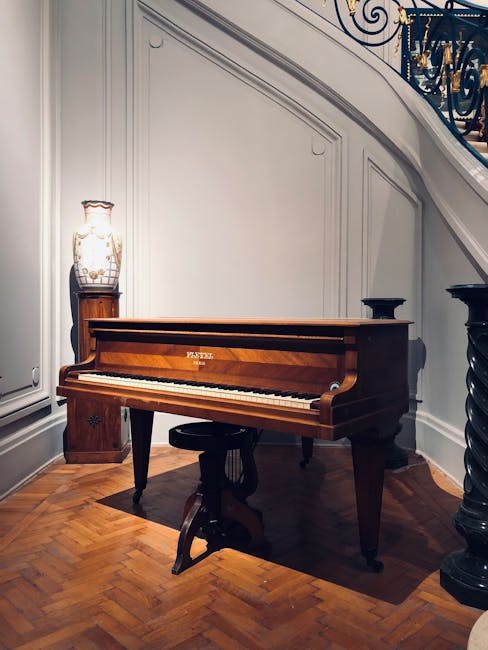
Gipsy Hill piano removal for awkward staircases: a practical guide to moving safely in tight homes
If you are planning a Gipsy Hill piano removal for awkward staircases, you probably already know this is not a normal lift-and-carry job. One wrong turn on a narrow landing, a low ceiling, or a tight bend halfway up the stairs can turn a careful move into a very stressful one. Pianos are heavy, yes, but the bigger problem is often their shape, weight distribution, and the need to protect both the instrument and the building.
This guide explains how difficult piano moves are handled in real life, what makes awkward staircases such a challenge in Gipsy Hill homes, and how to plan the move properly. You will also find a step-by-step approach, a comparison of methods, and a checklist you can use before the movers arrive. To be fair, the best piano move is usually the one that looks calm from start to finish. That calm takes planning.
Table of Contents
- Why Gipsy Hill piano removal for awkward staircases Matters
- How Gipsy Hill piano removal for awkward staircases Works
- Key Benefits and Practical Advantages
- Who This Is For and When It Makes Sense
- Step-by-Step Guidance
- Expert Tips for Better Results
- Common Mistakes to Avoid
- Tools, Resources and Recommendations
- Law, Compliance, Standards, or Best Practice
- Options, Methods, or Comparison Table
- Case Study or Real-World Example
- Practical Checklist
- Conclusion
- Frequently Asked Questions
Why Gipsy Hill piano removal for awkward staircases Matters
Gipsy Hill has plenty of homes where stairs are not especially forgiving. Victorian terraces, converted flats, split-level layouts, and older maisonettes often include narrow turns, stair rails that eat up precious space, and landings that seem almost designed to test patience. If you have tried to move even a sofa through one of these staircases, you will know the feeling. Now imagine doing it with a piano.
Pianos are not just heavy. They are awkward in the way that matters most during a move. Uprights have a concentrated weight at the rear. Grand pianos have a wider footprint and may need more disassembly or specialised handling. The risk is not only damage to the piano, but also scuffed walls, chipped stair edges, broken spindles, or injury if the weight shifts unexpectedly.
That is why a local, well-planned approach matters. A good piano removal team does not just turn up with muscle. They assess the route, measure tight points, decide whether protective padding or hoisting is needed, and plan how many people are required. The staircase itself is often the real puzzle.
There is also a timing issue. A piano move through a tricky stairwell usually takes longer than people expect, especially if there are neighbours to consider, parking limits outside, or a building layout that forces careful manoeuvring. Rushing is where mistakes happen. Slow and steady really does win here.
How Gipsy Hill piano removal for awkward staircases Works
Every move is different, but the process normally follows a clear pattern. The team first checks the piano type, the route in and out, and the staircase geometry. The actual move may look simple from the outside, but every step has a purpose.
1. Survey the access route
Before lifting anything, a proper mover looks at the staircase width, landing depth, ceiling height, bannisters, and any sharp corners. They will also look at door frames, hallway turns, and whether the piano needs to be rotated vertically or moved on a different angle. In some homes, a very small detail makes or breaks the job. A light fitting, a radiator, or a narrow hallway can matter more than expected.
2. Protect the building and the instrument
Padding, blankets, straps, corner protectors, and floor coverings are used to reduce impact and friction. The piano is usually wrapped to protect the finish and, just as importantly, to improve grip for the handlers. Stair protection is not overkill. On a tight stairwell, one slip can mark a wall in seconds.
3. Decide on the handling method
For some upright pianos, a team can use a staircase carry with enough people and the right equipment. For more awkward jobs, a specialist dolly, stair climber, or partial dismantling of removable parts may be needed. In rare cases, especially where internal stairs are impossible, an external route or window/hoist approach may be considered. That is not a first choice, but sometimes it is the safest one.
4. Move in controlled stages
Pianos are usually moved in short, deliberate stages rather than in one continuous push. One person leads, others stabilise, and a clear set of instructions keeps the load aligned. Communication is crucial. A call of "steady", "pause", or "rotate" sounds basic, but that simple language helps stop small mistakes becoming big ones.
5. Reposition and recheck on arrival
Once the piano is inside, the team does not simply drop it into place and leave. They check the final position, watch for floor sensitivity, and make sure the piano is stable before removing protection. If the instrument is going to be tuned later, it is wise to let it acclimatise first. Temperature and humidity changes matter, especially after a move through cold air or a damp stairwell on a grey London morning.
Key Benefits and Practical Advantages
A careful specialist move gives you more than peace of mind. It changes the whole experience of the day.
- Lower risk of damage: The piano, staircase, and walls are all better protected when the move is planned around the access route.
- Less strain on people: Piano lifting is physically demanding, and awkward stairs increase the chance of back, hand, or foot injuries.
- Faster decision-making: Experienced movers can spot the safest route and adjust quickly if the stairwell is tighter than expected.
- Better handling of heritage or fragile buildings: Older Gipsy Hill properties often have delicate trim, painted banisters, or narrow landings that need a gentle touch.
- More confidence for the customer: You are not left wondering whether the piano will fit or whether the movers are improvising.
There is another practical benefit people sometimes forget: neighbours are less likely to be disturbed when the move is handled efficiently. Fewer repeated attempts in the stairwell means less noise, less frustration, and fewer awkward apologies in the hallway. A small thing, maybe, but it helps.
If the move is part of a wider home relocation, it can also fit neatly alongside home moves or even a broader service package such as house removalists for the rest of your furniture.
Who This Is For and When It Makes Sense
This service is for anyone whose piano needs to pass through a staircase that is narrow, steep, broken into turns, or simply not generous enough for a standard move. That includes:
- homeowners in Gipsy Hill with uprights or small grands
- tenants moving in or out of flats with split-level access
- landlords or letting agents arranging piano collection after a tenancy
- music teachers relocating instruments between properties
- families inherited a piano and now need to move it safely
- local businesses that have a piano in a reception area, studio, or venue
It makes sense when the staircase is too awkward to trust to general-purpose movers without specialist equipment. It also makes sense when the piano is valuable, sentimental, or simply too difficult to replace if damaged. Truth be told, even a modest upright can become a big problem if it gets wedged halfway up the stairs.
Sometimes people ask whether a general man and van service is enough. The honest answer is: sometimes yes for straightforward transport, but not usually for a difficult staircase move unless the team clearly has the right experience and equipment for pianos. A similar point applies to man with van bookings. Transport is only one part of the job.
Step-by-Step Guidance
If you are organising the move yourself, here is the clearest way to think about it.
- Measure the route. Check stair width, landing space, ceiling height, doorway widths, and any tight turns. Use a tape measure, not guesswork. Guesswork gets expensive.
- Identify the piano type. Upright, baby grand, digital, or spinet? Each needs a different approach. Even among uprights, the size and weight can vary a lot.
- Clear the route. Remove mats, shoes, low furniture, and anything that might catch a foot or wheel. That little umbrella stand by the doorway? It always seems to be in the way.
- Protect surfaces. Lay floor protection where appropriate and add padding to vulnerable corners, railings, or bannister posts.
- Plan the carry. Decide who leads, who stabilises, and where the piano will be paused if the team needs to reset grip or angle.
- Check access outside. Parking, loading distance, and weather all affect the move. Wet steps in particular can change the grip and footing.
- Prepare the receiving room. Leave enough space for the piano to be set down and rotated safely. Don't tuck chairs and side tables too close together.
- Allow acclimatisation after arrival. Before tuning or playing seriously, let the piano settle into its new environment.
A useful tip: if you can take photos of the staircase and route beforehand, do it. The images help movers prepare and can reveal problems you may not notice in person. I have seen a "fine" staircase turn out to have a very unfriendly final turn once photographed from the right angle. Funny how that happens.
Expert Tips for Better Results
Here are the small things that often make the biggest difference.
Keep communication simple
Use short instructions. "Lift", "pause", "turn", "down slowly". In a narrow stairwell, long explanations are just noise. The team needs rhythm more than chatter.
Do not overestimate strength
Moving a piano is not about being the strongest person on the stairs. It is about leverage, balance, and coordination. A smaller, experienced team can often outperform a bigger, less organised one. That surprises people sometimes.
Think about the landing, not just the stairs
Many moves fail at the landing because the piano cannot be rotated cleanly once the team reaches the turn. Measure that space carefully. It is often the pinch point.
Use the right vehicle and load plan
If the piano has to travel across London or be combined with other items, a suitable transport setup matters. A planned moving truck or removal truck hire arrangement can reduce handling and cut down on unnecessary transfers.
Ask about padding and strapping
Good protection is not just a nice extra. It keeps the finish intact and helps the handlers work with more control. If the approach sounds a bit casual, be wary.
Book the move for a quieter part of the day
Early starts or calmer daytime windows are usually better than rushed evening slots. Less foot traffic in communal hallways also helps. Nobody likes trying to pivot a piano while someone else is carrying shopping upstairs.
Common Mistakes to Avoid
These are the mistakes that cause most of the stress.
- Measuring only the piano, not the staircase. The route matters as much as the instrument.
- Forgetting the landing depth. A staircase can look passable until the piano needs to turn.
- Trying to force the move. If it does not glide safely, stop and reassess. Pushing through is where damage happens.
- Using too few people. Two people might be enough for some light transport, but awkward piano stairs often need a properly coordinated team.
- Leaving doors, pictures, or mirrors in place. Clear the path properly. One tiny corner can cause a surprising amount of trouble.
- Ignoring the floor load and room layout. The final position matters. A piano should sit securely, not half blocking a doorway or on a vulnerable surface.
The biggest mistake is thinking the move is mainly about brute strength. It is not. It is about control. Always control.
Tools, Resources and Recommendations
You do not need a warehouse full of kit, but a few tools make a difficult piano move much safer.
- Removal blankets and wrap: for protecting the piano's case and edges
- Heavy-duty straps: to stabilise the load during lifting and carrying
- Protective floor runners: useful in hallways and on stair treads
- Corner guards: to shield paintwork and bannisters
- Dollies or stair-capable moving equipment: depending on the piano type and route
- Tape measure and camera phone: simple, but very useful for preparation and planning
If the piano move is part of a wider relocation, it can help to pair it with packing and unpacking services so the rest of the home move stays organised while the instrument is handled separately. For smaller load combinations, some people also look at furniture pick up when they are moving or disposing of other items at the same time.
One recommendation that often gets overlooked: keep the piano bench, sheet music, and accessories together in a labelled box. Small detail, yes, but it saves time later. And it stops the bench from becoming that one missing item everyone asks about for two days.
Law, Compliance, Standards, or Best Practice
For piano removals in the UK, the key concerns are safety, access, and responsible handling rather than complex specialist regulation. Even so, professional movers are expected to work with care, plan lifting tasks properly, and avoid unnecessary risk to people and property.
In practical terms, best practice usually means:
- carrying out a sensible assessment of the route and weight before moving
- using enough trained people for the task
- protecting floors, walls, and entry points where needed
- managing loading so that the instrument is not left unstable
- respecting shared building rules, neighbours, and parking restrictions
If the property is in a shared block or a narrow street common to parts of Gipsy Hill, it is especially sensible to think through access and timing in advance. Some buildings have house rules, quiet hours, or moving restrictions that are not technically part of the piano job, but still affect the day. Better to know before the van arrives, right?
For business customers, a move involving a piano in an office, studio, or hospitality setting may also need to be coordinated with broader relocation planning. In that case, services such as office relocation services or commercial moves can help keep the wider move orderly while the specialist piano handling is managed separately.
Options, Methods, or Comparison Table
Not every piano move uses the same method. The right option depends on the staircase, the type of piano, and how much room you have to work with.
| Method | Best for | Pros | Limitations |
|---|---|---|---|
| Standard staircase carry | Uprights with manageable access | Direct, efficient, usually the simplest solution | Needs enough width and landing space |
| Specialist equipment carry | Tighter stairs, heavier instruments, awkward turns | More control, safer on difficult routes | May require extra planning and crew coordination |
| Partial dismantling | Some grand pianos or particularly awkward access points | Can make a difficult move feasible | More time, more skill, more reassembly care |
| Alternative access/hoist approach | Stairs that are simply not suitable | Avoids forcing the piano through unsafe indoor routes | Needs careful assessment and may not suit every property |
The comparison here is not about finding the "best" method in the abstract. It is about finding the safest method for the building in front of you. Sometimes the least dramatic option is the one that protects the piano most effectively.
Case Study or Real-World Example
Here is a realistic example, without dressing it up. A family in Gipsy Hill had an upright piano in a first-floor flat reached by a narrow staircase with one sharp turn and a low ceiling on the landing. The piano had sentimental value; it had been in the family for years and was used regularly by a child learning at home.
At first glance, the family assumed the move would be straightforward because the piano was "only" an upright. But once the staircase was measured, it became clear the turning point would be the main challenge. The team planned the route, protected the walls and banister, removed a small obstacle near the hallway entrance, and used a controlled carry with clear communication at the landing.
The key to the move was patience. The handlers paused twice to reset the angle before making the turn. It was not fast in the dramatic sense. It was calm. That was the point. The piano arrived without damage, the staircase stayed intact, and the family could breathe again. You could almost feel the tension leave the room once it was settled in place.
That kind of move is a good reminder that awkward staircases do not need a heroic solution. They need a correct one.
Practical Checklist
Use this checklist before moving day.
- Confirm the piano type and approximate size
- Measure stair width, landing space, and door openings
- Check for low ceilings, handrails, and awkward corners
- Clear the route indoors and outside
- Protect floors, walls, and bannisters where needed
- Arrange parking or loading access in advance
- Tell the movers about any fragile features in the property
- Make sure the destination room is ready
- Plan where the piano will sit after arrival
- Allow time for the instrument to settle before tuning
Expert summary: The safest piano moves are planned around the staircase first, the instrument second, and the clock last. If the route is measured properly and the team has the right equipment, even an awkward Gipsy Hill staircase can be handled without drama.
Conclusion
A Gipsy Hill piano removal for awkward staircases is really about balance: protecting a valuable instrument, keeping the building safe, and avoiding unnecessary stress on the day. Once you understand the access route, the weight distribution, and the turning points in the staircase, the move becomes much easier to plan. Not simple, perhaps. But manageable. Very manageable.
The most important thing is not to force the process. Measure properly, prepare the route, use the right equipment, and choose a team that understands difficult access. That is how you keep the move calm, controlled, and far less nerve-wracking than people expect. And once the piano is in place, that quiet moment when the room settles again is worth it.
If you are getting ready to move a piano through a difficult staircase, speak with a team that understands careful handling, local access issues, and the realities of older London properties. Contact us to discuss your move and get practical advice before the heavy lifting begins.
Get a free quote today and see how much you can save.
Frequently Asked Questions
Can a piano really be moved up or down an awkward staircase?
Yes, often it can, but the staircase has to be assessed properly first. The width, landing space, ceiling height, and the piano's shape all matter. Some staircases are straightforward with the right team, while others need specialist equipment or an alternative method.
What makes a staircase "awkward" for piano removal?
Usually it is a mix of narrow width, tight turns, low ceilings, steep steps, or a small landing. In many Gipsy Hill homes, the problem is not one big obstacle but several small ones all in the wrong place.
Do upright pianos need special handling?
Yes. Upright pianos are more compact than grands, but they still have a concentrated weight distribution and can be awkward on stairs. They should never be treated like ordinary furniture.
How long does a difficult piano removal usually take?
It depends on the route and access. A simple staircase move may be relatively quick, while a very tight stairwell or shared building access can take longer. It is better to allow extra time than to rush the job.
Can a man and van service move my piano?
Sometimes, but only if the team has the right experience and equipment for piano handling. A standard transport booking is not automatically suitable for an awkward staircase. Ask clear questions before you confirm anything.
Will the piano need to be dismantled?
Not always. Many upright pianos can be moved intact. Some grand pianos or especially difficult access routes may require partial dismantling or a different access plan. That decision should be based on the property, not guesswork.
How do movers protect the staircase and walls?
They typically use blankets, padding, floor coverings, and careful handling techniques. In tighter stairwells, protection is especially important because even a small bump can leave marks.
Should I tune the piano straight after the move?
Usually it is wiser to let it acclimatise first. A piano can react to temperature and humidity changes after being moved, so many owners wait a short while before arranging tuning.
What if the piano does not fit through the stairs?
Then the team may need to reassess and consider another method, such as a different route or more specialist handling. That is why measurement and planning matter so much before moving day.
Is it safe to move a piano without professional help?
Truthfully, it is risky. Pianos are heavy, awkward, and easy to damage or injure yourself with. If the staircase is tight, professional help is strongly recommended.
Can piano removal be combined with a full house move?
Yes, often it can. Many people move the piano as part of a wider relocation and use services like home moves or house removalists for the rest of the furniture. It usually keeps the day more organised.
What should I tell the movers before they arrive?
Tell them the piano type, the staircase dimensions if you have them, any tight corners, parking details, and whether there are any fragile areas in the property. A few honest details up front save a lot of awkwardness later.